

AI and education: Protecting the rights of learners
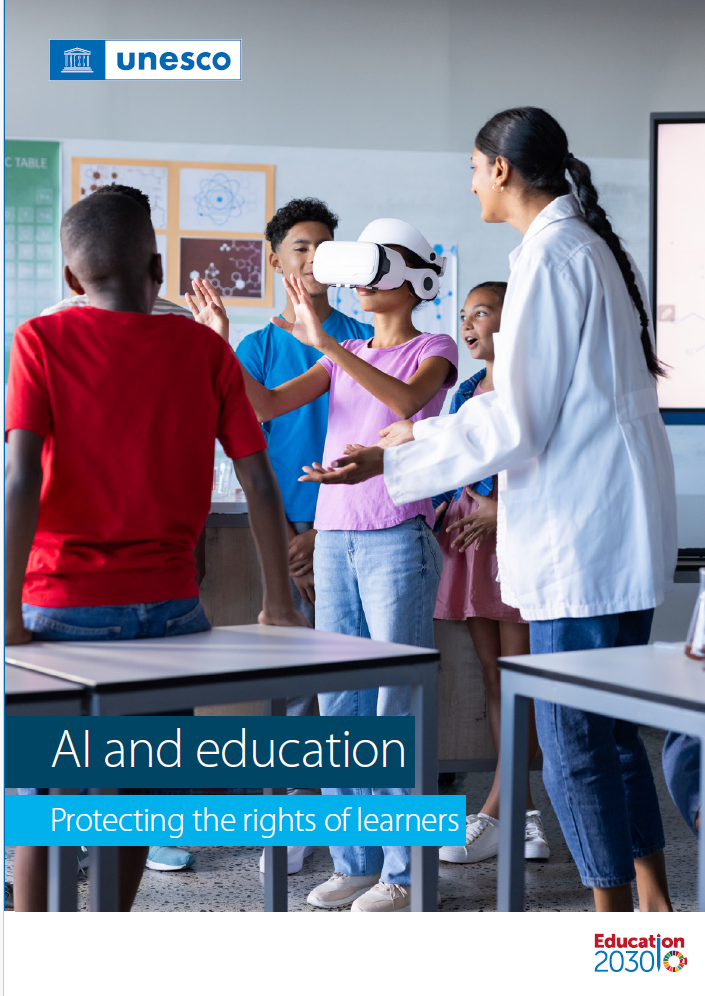
The rapid digitalization of education, accelerated by the COVID-19 pandemic and the development of generative artificial intelligence (Gen AI), is reshaping education and learning. New opportunities for increased access to education, personalized learning, and effective educational management have emerged. These advancements also come with challenges, including the risks of exacerbating existing inequalities, privacy and safety concerns, and emerging issues relating to ethics, governance, and equity.
As of 2024, nearly one-third of the world’s population, around 2.6 billion people, still lacks Internet access, deepening the digital divide and potentially leading to an artificial intelligence (AI) divide. Vulnerable groups, including girls, rural populations, persons with disabilities, and marginalized communities, are particularly affected. In this era of digital technology and AI, without proper safeguards,
the right to education and other human rights are at risk. This report emphasizes that all efforts must prioritize a human-centred and
rights-based use of digital technology to benefit all learners. It calls for urgent national and international action to ensure that technology enhances, rather than endangers, the right to education for all.
As of 2024, nearly one-third of the world’s population, around 2.6 billion people, still lacks Internet access, deepening the digital divide and potentially leading to an artificial intelligence (AI) divide. Vulnerable groups, including girls, rural populations, persons with disabilities, and marginalized communities, are particularly affected. In this era of digital technology and AI, without proper safeguards,
the right to education and other human rights are at risk. This report emphasizes that all efforts must prioritize a human-centred and
rights-based use of digital technology to benefit all learners. It calls for urgent national and international action to ensure that technology enhances, rather than endangers, the right to education for all.
Year:
Organisation:
UNESCO
Keywords:
artificial intelligence, rights, Learners
Marginalized & Vulnerable group:
All, Indigenous & Minorities, Refugees & Migrants, Socially & Economically excluded groups, Persons with disability
Topic:
ICTs, Inclusive Pedagogy & Practices
Level of Education:
Across the education sector
Type of Resources:
Research & Policy Papers
Country/Region:
All, Africa, Arab States, Asia & the Pacific, Europe & North America, Latin America & the Caribbean
Language of Publication:
English